
Video · coming soon
Dermal filler in three minutes
What is filler made of?
In short Hyaluronic acid. Your skin makes it already.
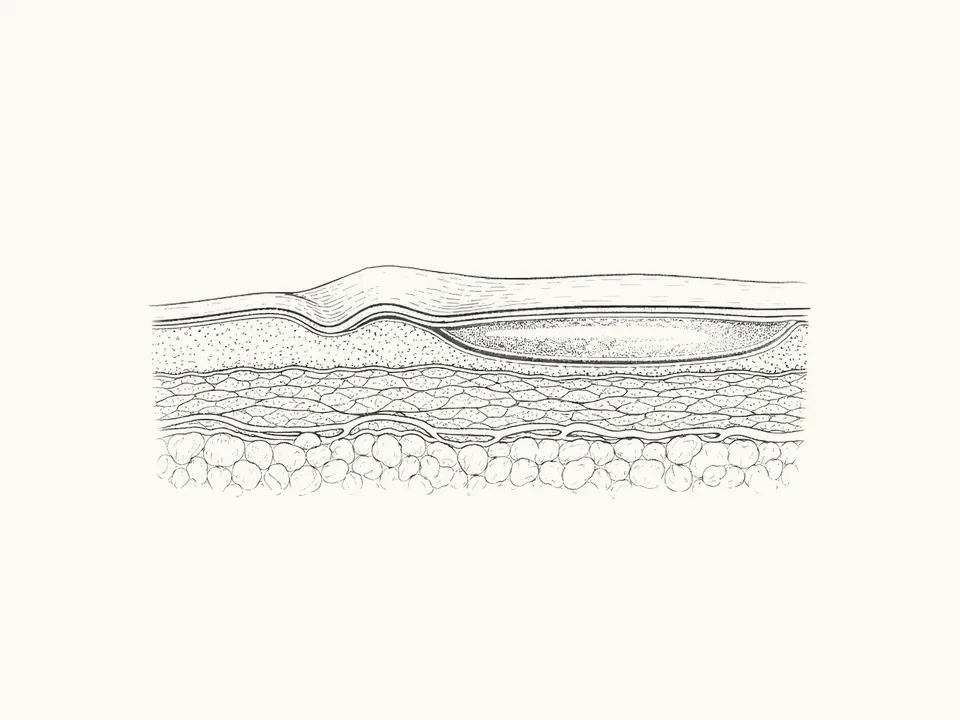
Hyaluronic acid is something your body makes. In your skin, it holds water. That helps skin look full.
The hyaluronic acid in filler is made in a lab, not taken from animals. Its parts are joined together into a gel. This is called cross-linking. It makes the gel last months, not days.
Your body slowly breaks the gel down. That is why filler does not last for ever.
What else is in it?
- A numbing medicine called lidocaine. It makes treatment more comfortable.
- A safety mark. The filler we use is a medical device, not a medicine. Every filler we use has a UKCA or CE mark.
We tell you the name of the product in the room. We write it on your record, with its batch number and expiry date.
Where is filler used?
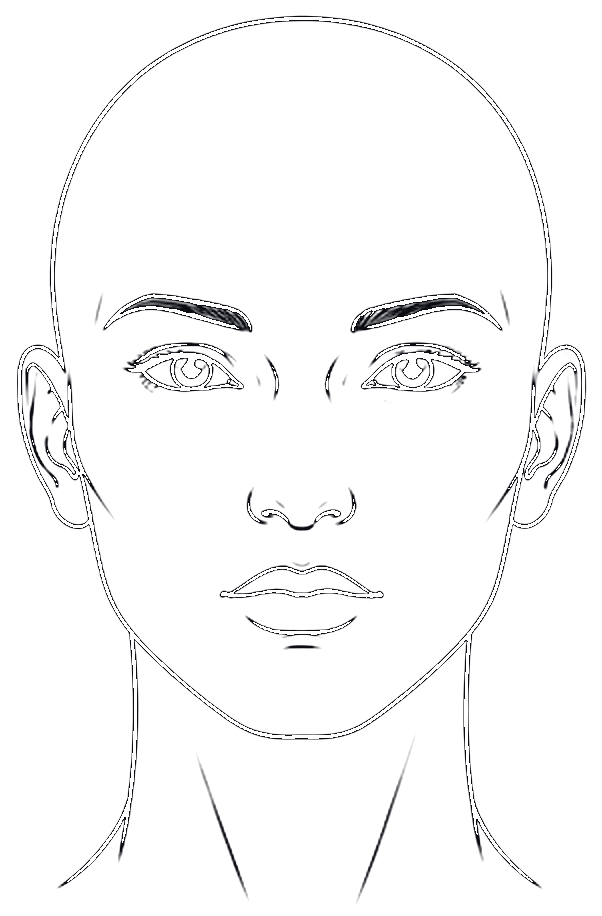
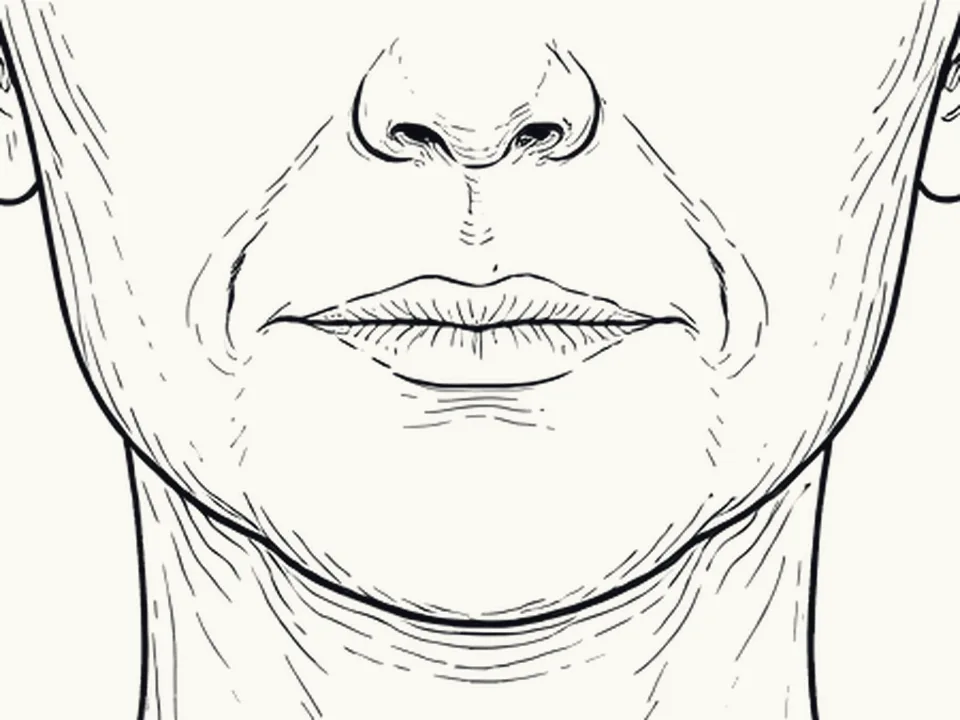
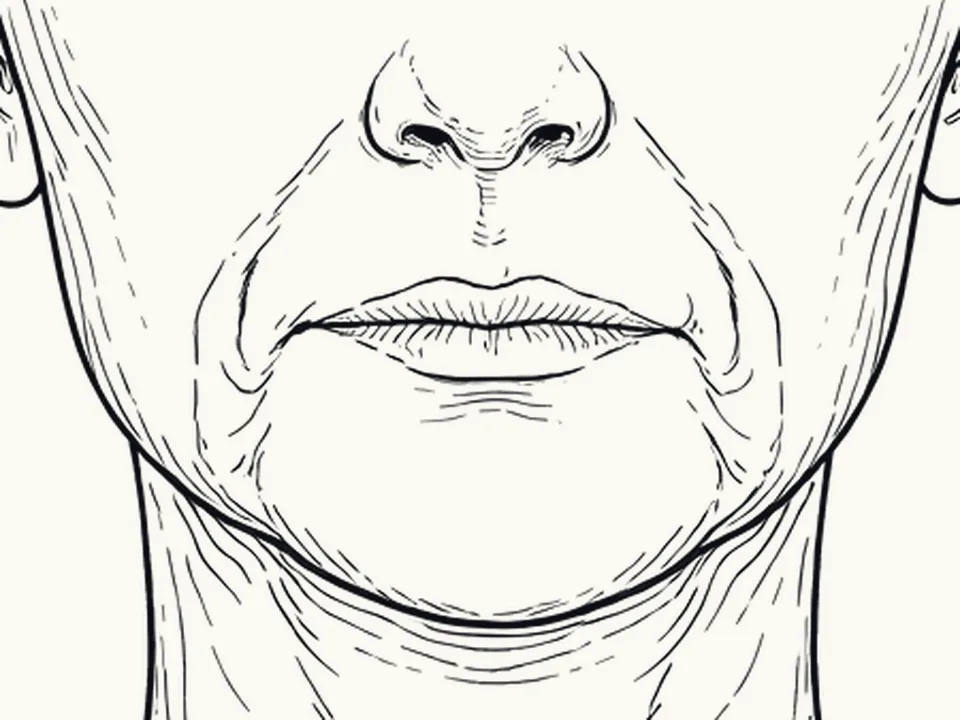
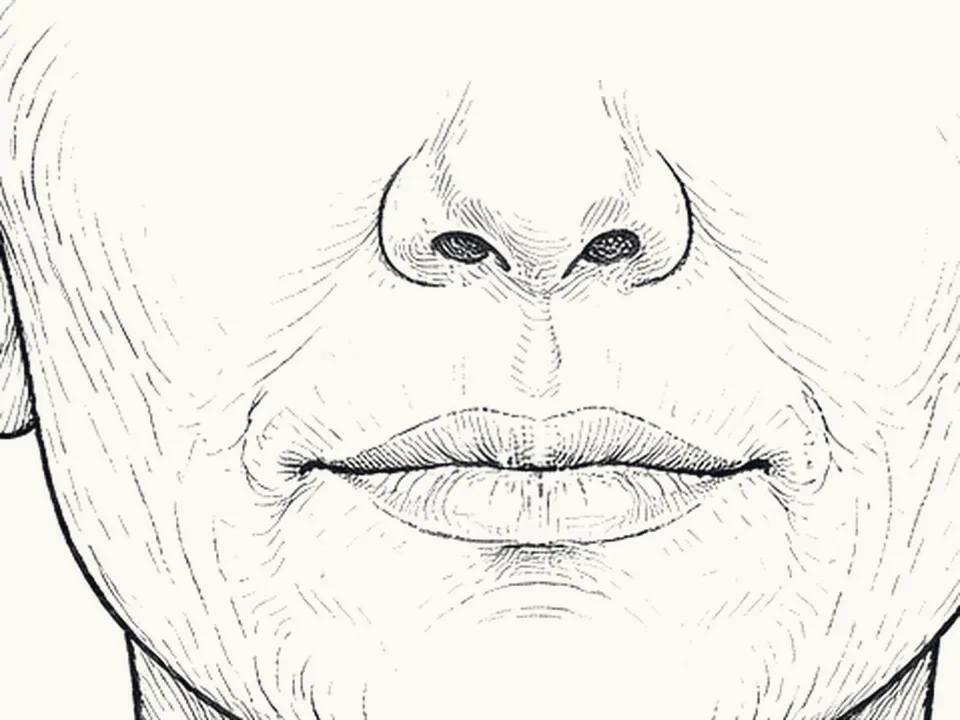
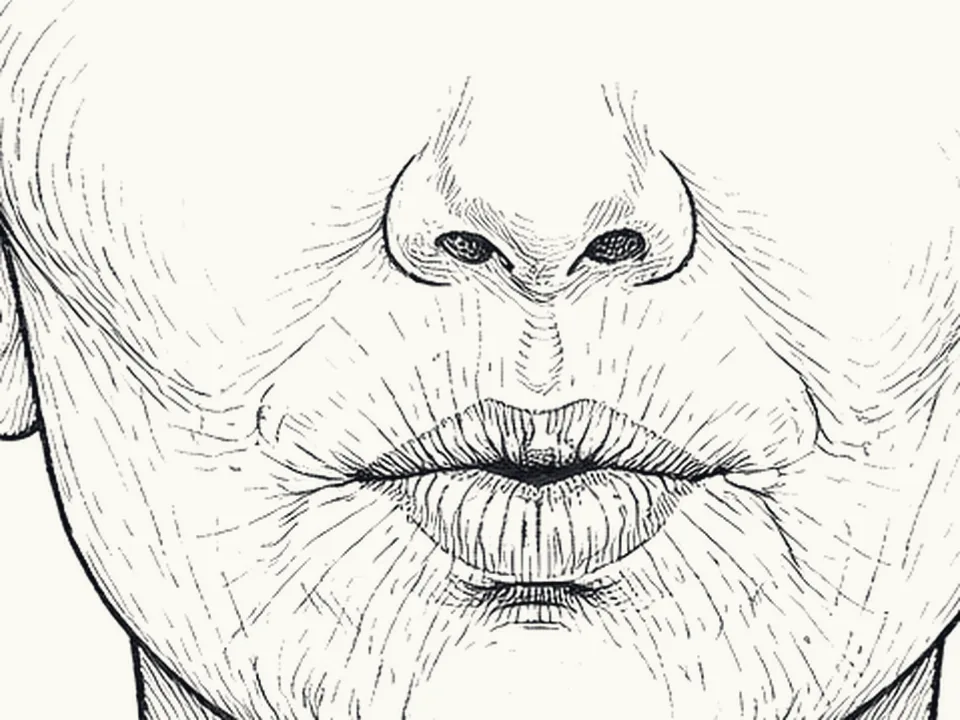
We use filler in the six places shown below. Our prices are fixed. They are on the home page.
Where we use filler
- Lipsshape and volume
- Lines from nose to mouthnasolabial folds
- Lines from mouth to chinmarionette lines
- Fine lines around the mouthperioral lines
- Cheeksvolume and shape
- Chinshape
How long does it last?
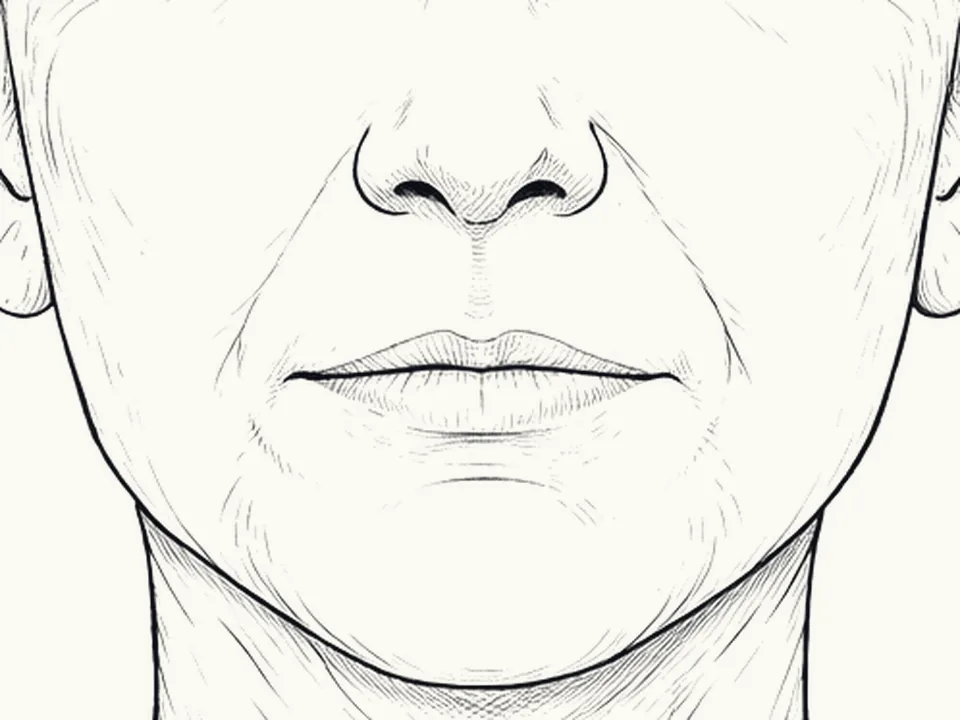
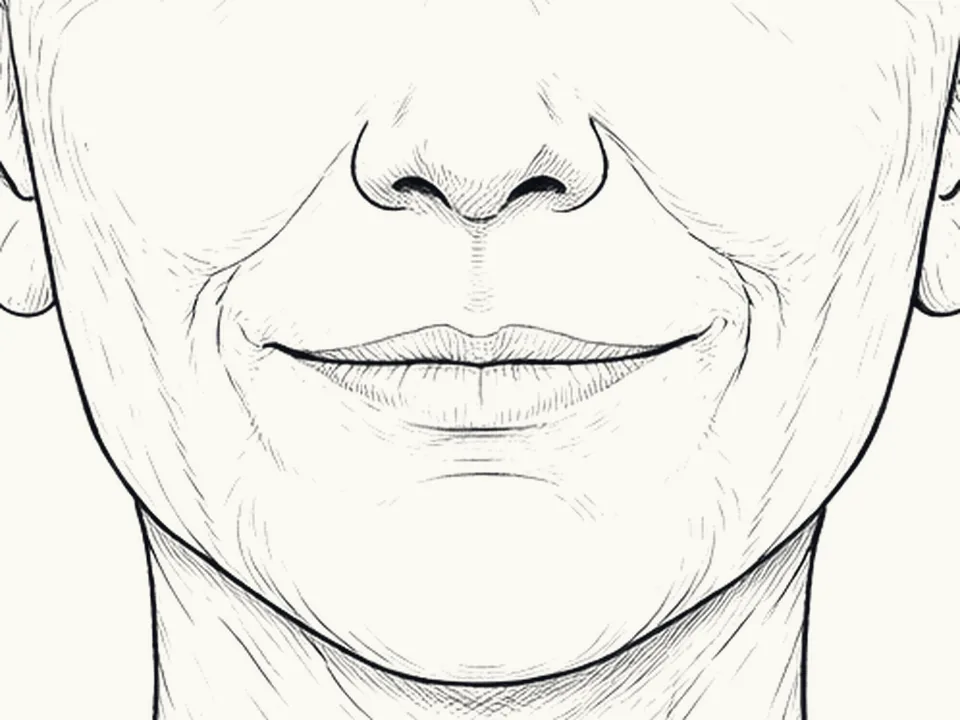
In short 6 to 18 months. Lips are at the shorter end.
It depends on the product and where it goes.
We always wait at least two weeks before adding more to the same area. That lets any swelling go down, so we can see what you need.
What happens?
- A free chat with Dr Ahmed, face to face.
- A written plan with prices. Take as long as you like to think.
- Treatment, when you are ready, by Dr Ahmed.
- A check-up two weeks later.
What are the risks?
- Common: swelling, bruising, soreness and small lumps. These usually go within days.
- Less common: infection, firm lumps, or swelling that comes back weeks or months later.
- Cold sores: lip filler can bring one on if you get them. We can give you something to prevent this.
The rare risk that matters most
In short Filler can block a blood vessel. This is rare, but serious.
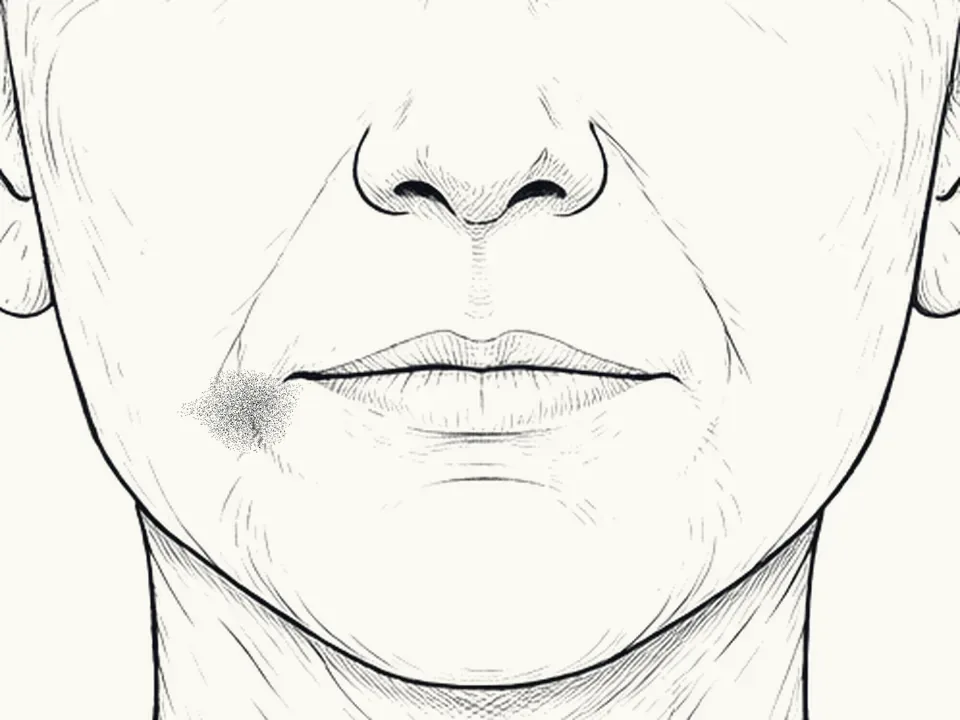
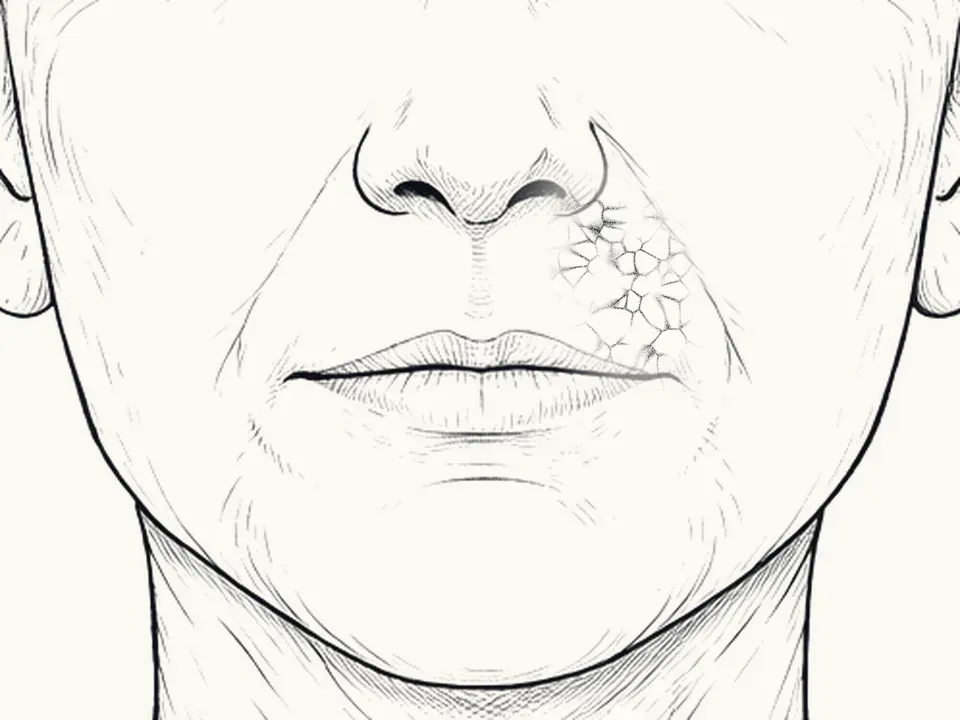
A blocked blood vessel can harm the skin if it is not treated. Very rarely, a blocked vessel to the eye causes loss of sight. This may be permanent. See what the evidence says.
Warning signs: pain much worse than the treatment, skin that turns white, grey or blotchy, or any change in your eyesight.
The medicine that dissolves filler is in the clinic every time filler is given. Dr Ahmed follows a written emergency plan. Any change in eyesight: call 999 first.
Can filler be dissolved?
In short Usually.
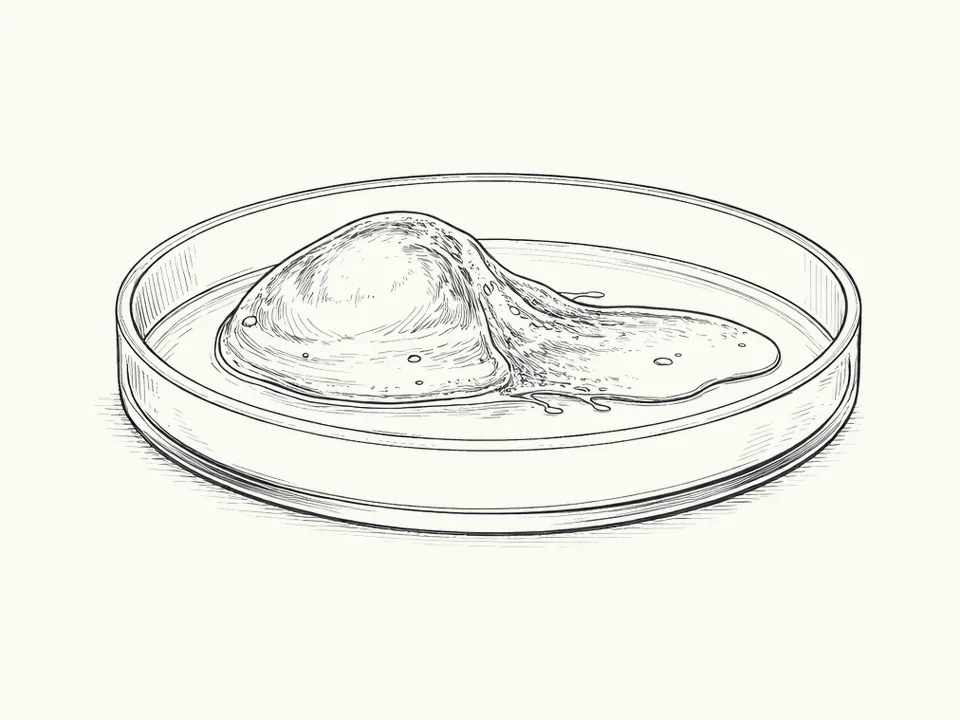
A medicine can break filler down. In an emergency, we use it straight away.
It has risks of its own, such as an allergic reaction. We ask about your allergies first.
If you no longer want your filler, talk to Dr Ahmed.
Who should wait?
We do not treat anyone who is pregnant, trying for a baby or breastfeeding.
Tell Dr Ahmed about your health, your medicines and your allergies. He will tell you if treatment is not right for you.
What happens afterwards?
You get written aftercare on the day. In short:
- No make-up on the area for 12 hours.
- No hard exercise that day.
- No dental work for two weeks. Tell your dentist you have had filler.
- No facials, peels, laser or microneedling on the area for two weeks.
- Straight awayRedness, soreness and swelling. Small bumps for the first half hour.
- Next morningSwelling is often worst now. It gets better after this.
- First weekMost swelling has gone.
- Up to two weeksBruises fade. Lips swell the most and can look uneven at first.
- At two weeksYour check-up. Judge the result now, not on the day.
- 6 to 18 monthsHow long filler lasts.
Questions people ask
Should I massage the lumps out?
Only if Dr Ahmed asks you to. Small lumps in the first half hour usually go on their own. Rubbing new filler can move it. If something still feels lumpy at two weeks, show us at your review.
Can I fly after filler?
Yes. We looked, and found no proof that flying causes a problem. Swelling and bruising may still show for a few days.
Should I avoid alcohol?
Alcohol can make bruising a little worse, so some people skip it on the day. No rule says you have to. It is up to you.
Why do clinics give such different advice?
Because most aftercare advice has never been properly tested. We only ask you to do things we can give you a reason for.