
Video · coming soon
What the research says, in two minutes
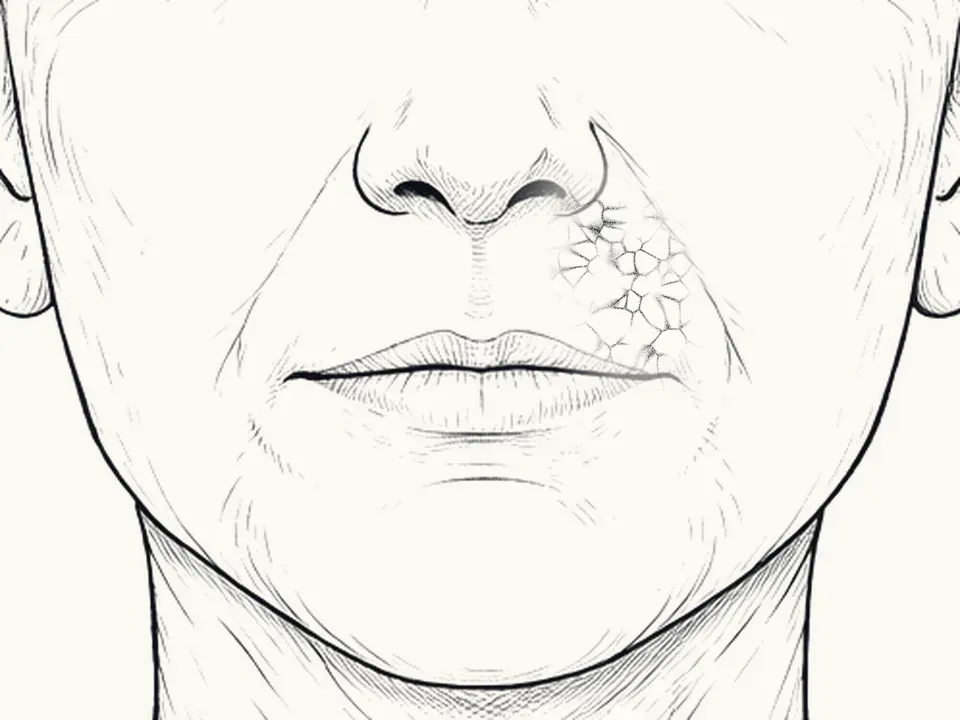
How often does filler block a blood vessel?
In short Rarely.
A large study asked 370 skin doctors in the US.1 They were very experienced. They gave their own figures.
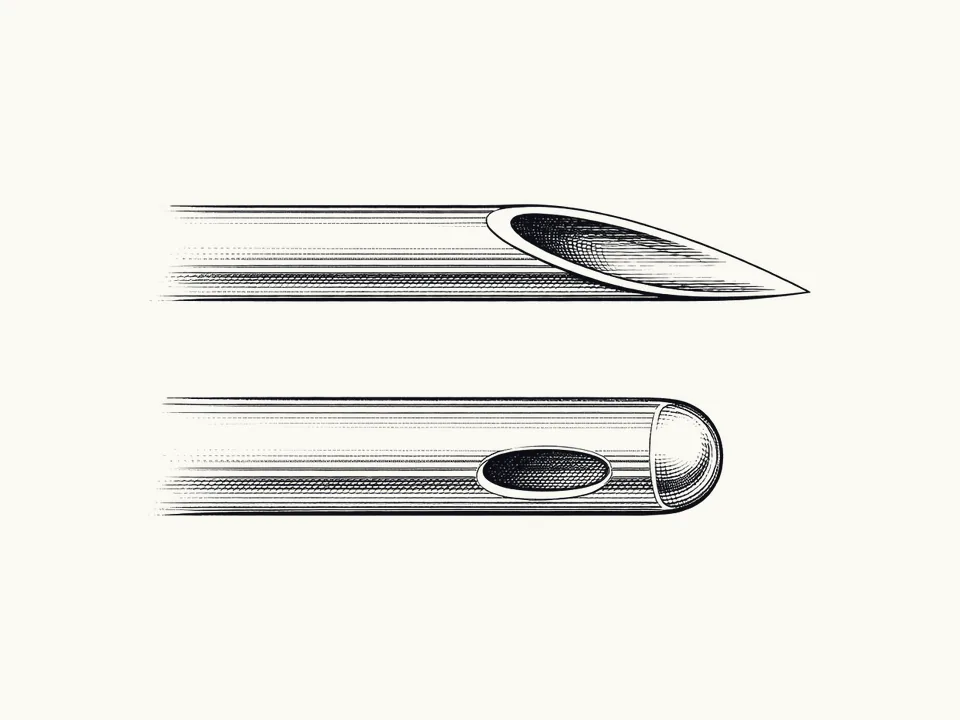
- 1 in 6,400 syringes blocked a blood vessel when a needle was used.
- 1 in 41,000 when a cannula was used. That is a thin tube with a round end.

Can filler harm your eyesight?
In short Very rarely. Nobody knows exactly how rarely.
No one counts every filler injection in the world, so there is no exact figure.
Doctors around the world wrote up 365 cases of full or part loss of sight between late 2018 and early 2023.2 About four in five were with the kind of filler we use.
Most did not get their sight back. No treatment was shown to bring it back.
So any change in eyesight is an emergency. Call 999. We also:
- tell you about this risk before treatment
- have the medicine that dissolves filler in the clinic.


Does PRP help thinning hair?
In short Probably, for some people. The research is not strong yet.
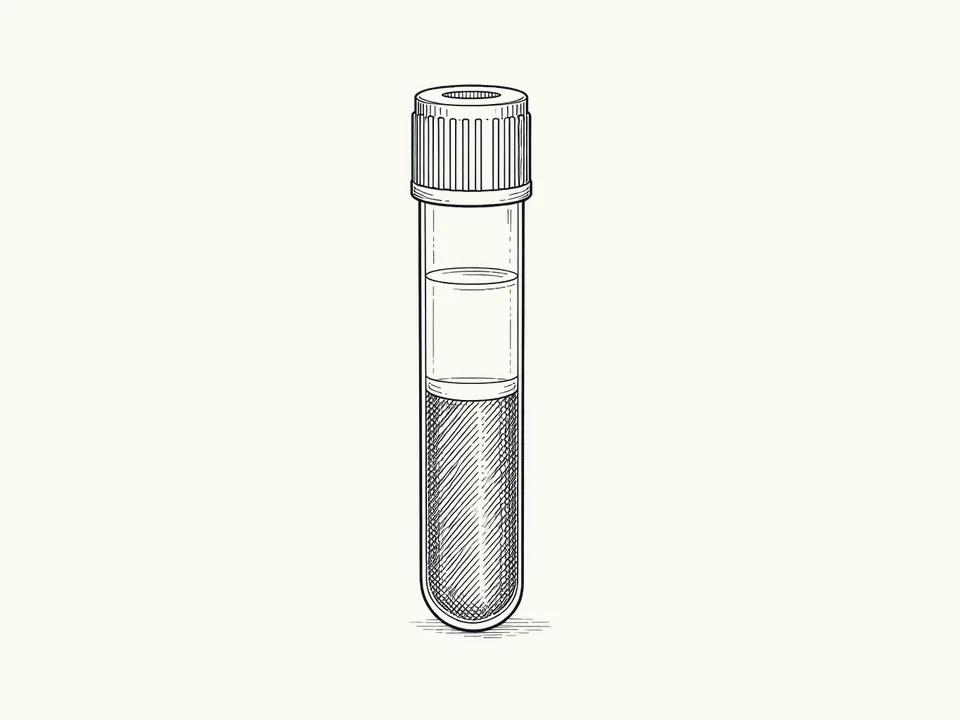
In small studies, people who had PRP grew about 25 more hairs in a fingernail-sized patch of scalp than people who had a dummy treatment.3,4
But the studies were small, and all a bit different. We cannot promise it will work for you.
Three things to know about risks
- “It has happened” is not “it happens often”. To know how often, you must count every treatment.
- Many small studies are not one good study. They can agree and still leave doubt.
- “No proof” is not “proved wrong”. Much aftercare advice has never been tested. We only ask what we can explain.

References
- Alam M, Kakar R, Dover JS, et al. JAMA Dermatology 2021;157(2):174–180. doi:10.1001/jamadermatol.2020.5102
- Doyon VC, Liu C, Fitzgerald R, et al. Aesthetic Surgery Journal 2024;44(10):1091–1104. “Update on blindness from filler: review of prognostic factors, management approaches, and a century of published cases.” doi:10.1093/asj/sjae091
- Kieling et al. Systematic review and meta-analysis of randomised clinical trials of autologous platelet-rich plasma and hair density. Anais Brasileiros de Dermatologia 2024;99(6):847–862. PubMed Central
- Li et al. Aesthetic Plastic Surgery 2024;48(5):977–984. Meta-analysis of platelet-rich plasma and hair density. doi:10.1007/s00266-023-03603-9