Video · coming soon
PRP, start to finish
What is PRP?
In short Your own blood, prepared to be rich in platelets.
PRP stands for platelet-rich plasma.
- Platelets are tiny cells in your blood. They help you heal.
- Plasma is the liquid part of your blood.
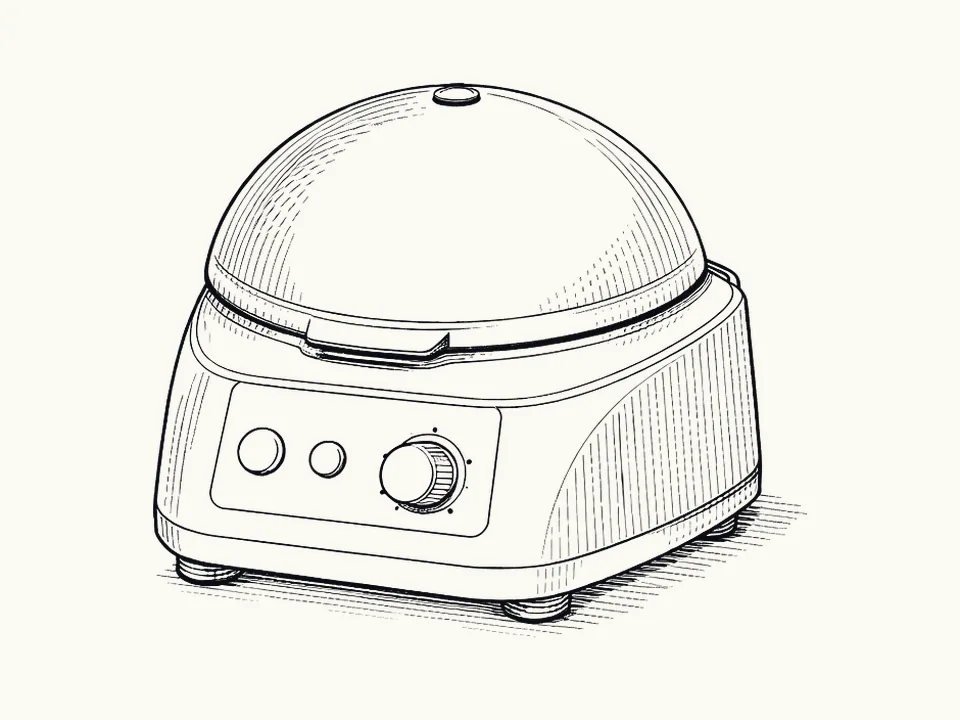
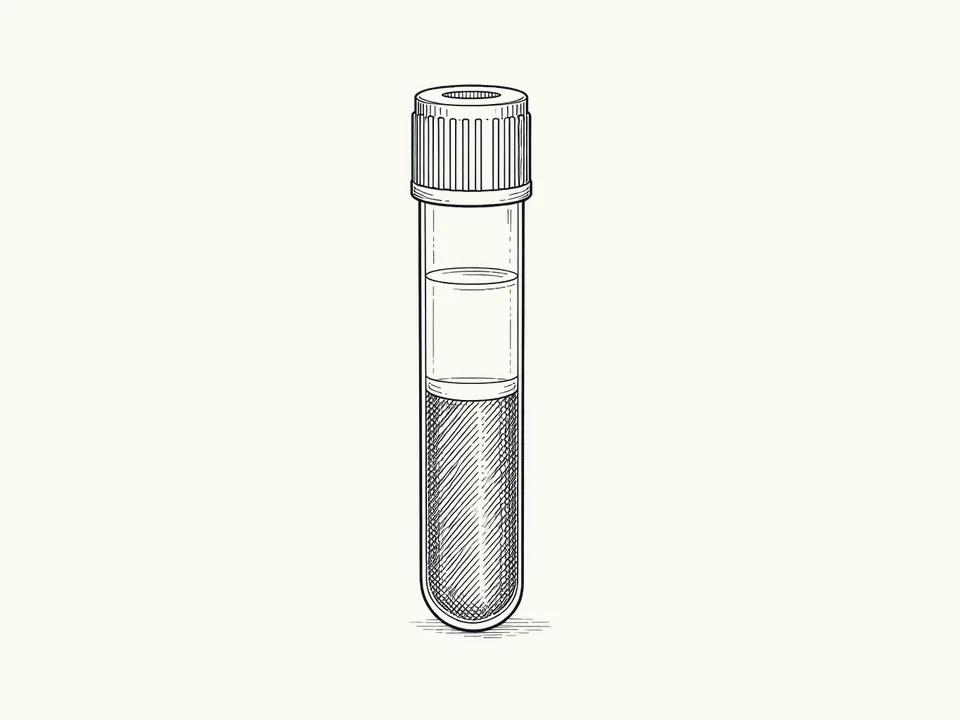
We spin a sample of your blood in a machine called a centrifuge. This gathers the platelets together. Nothing is added. It is all your own blood.
What happens?
- We take a blood sample from your arm.
- We prepare it.
- We put it into the thin areas of your scalp, with very fine needles.
How many sessions?
Three sessions, 4 to 6 weeks apart. Then occasional sessions to keep it going. Our prices are fixed. They are on the home page.
Does it work?
In short Probably, for some people. The research is not strong yet.
It works better for some people than others. We cannot promise it will work for you. See what the evidence says.
If you already use a hair treatment, keep using it. PRP goes alongside it, not instead.
Doing nothing is always fine.
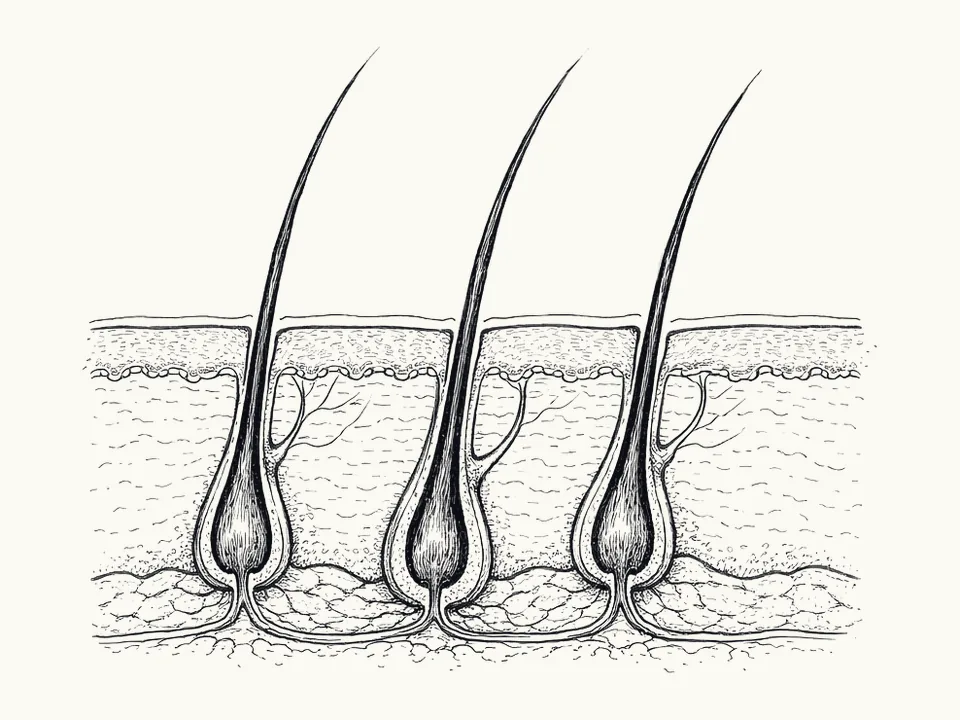
Who is it for?
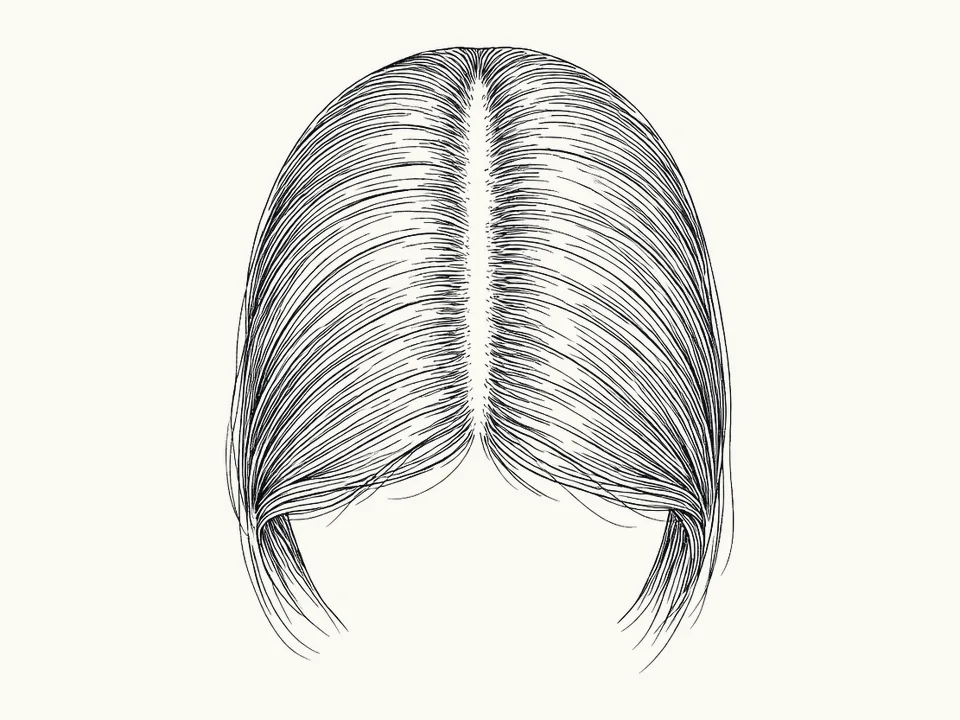
PRP is for hair that thins slowly. For example, a wider parting, or thinning on top or at the front.
See your GP instead if hair falls out suddenly, in patches, or your scalp is itchy, sore or flaky.
We do not treat anyone who is pregnant, trying for a baby or breastfeeding.
What are the risks?
In short Mostly a sore scalp for a short while.
- Soreness where the needles went in.
- A headache, or a tight scalp. About one person in three gets this.
- A little swelling, small spots of bleeding, and a bruise on your arm.
- Infection. This is not common. Call us if your scalp turns red, hot or swollen, something leaks from it, or you feel unwell.
Before and after your session
- Do not wash your hair for 24 hours after.
- No hard exercise, hair dye or hair treatments for 48 hours.
- For a week before each session, avoid painkillers like ibuprofen, naproxen and aspirin. They can weaken what we get from your blood.
- Never stop aspirin or a blood thinner your own doctor gave you. Tell us, and we will work around it.